
https://jgi.doe.gov/busting-the-unbreakable-lignin/
A joint effort between UC St. Barbara, the DOE, and DOE Joint Genome Institute has found early evidence of lignin break down by anaerobic fungi known as Neocallimastix californiae.
Neocallimastix californiae is a specific species of anaerobic fungi within the phylum Neocallimastigomycota, which are a distinct group of fungi that can thrive in the absence of oxygen. They are primarily found in the rumen, the first stomach chamber of ruminant animals like cows, sheep, and deer, as well as in the hindgut of some non-ruminant herbivores like horses and elephants.
What is the role of anaerobic fungi?
Anaerobic fungi play a crucial role in the digestive process of these animals by breaking down complex plant materials, specifically lignocellulose, which is the main component of plant cell walls. Lignocellulose is composed of cellulose, hemicellulose, and lignin, which are difficult to degrade. These fungi have an array of powerful enzymes, such as cellulases and hemicellulases, which help break down these complex structures into simpler compounds that can be absorbed by the host animal.
Why is anaerobic fungi important for biofuels?
This discovery challenges the longstanding belief that oxygen was essential for lignin breakdown. If these findings can be confirmed and scaled for industrial application, the biofuel production process could become more efficient and sustainable. The use of anaerobic fungi to modify lignin without oxygen has the potential to transform the entire landscape of biomass production and bioproduct engineering.
Lignin, a crucial structural component in plant cell walls, has been an obstacle in breaking down cellulose and hemicellulose for biofuel production. While aerobic fungi have been known to break down lignin slowly, anaerobic fungi were not thought to have this capability. However, this study conducted by Michelle O’Malley’s lab at the University of California at Santa Barbara, in collaboration with the U.S. Department of Energy Joint Genome Institute and two DOE Bioenergy Research Centers, provides the first irrefutable evidence that lignin can indeed be deconstructed without oxygen.
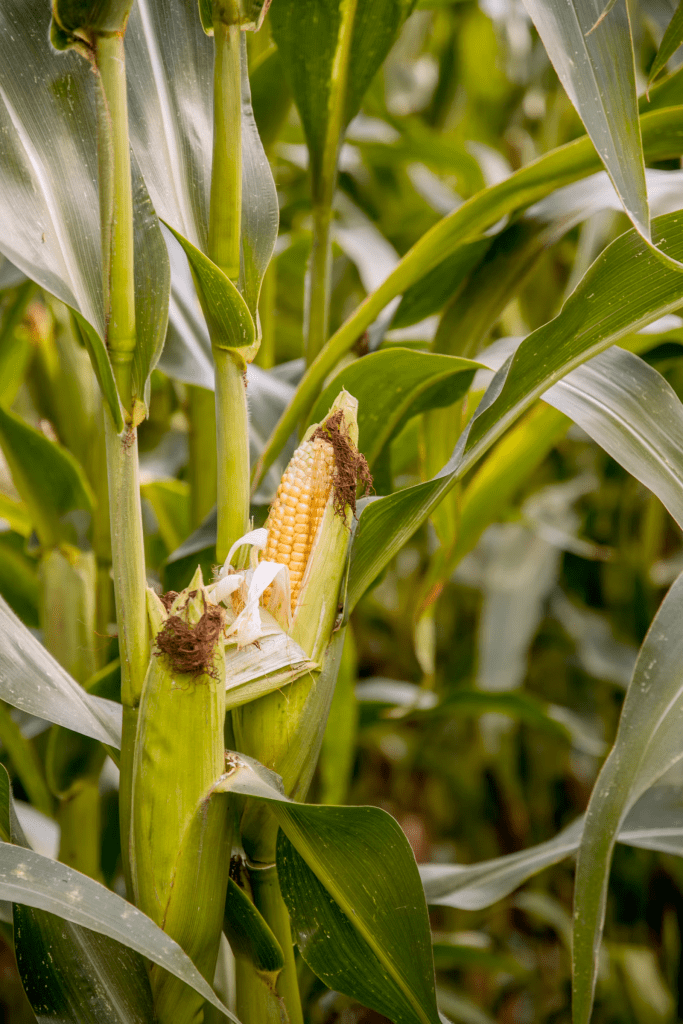
Note: While corn is commonly used in the production of first-generation biofuels, cellulosic biofuels make use of non-food plant materials. In the case of corn, this means utilizing inedible parts like corn stover (leaves, stalks, and husks) rather than the kernels themselves. This approach minimizes competition between food production and biofuel feedstocks, resulting in a more sustainable and environmentally friendly alternative.
Current Challenges in Lignin Removal
One of the key challenges in biofuel production is the removal of lignin, which has historically been a resource-intensive process. Conventional methods often require high energy input, the use of harsh chemicals, and extensive pretreatment, which can increase production costs and lead to the generation of toxic byproducts. Additionally, the reliance on specific feedstocks for biofuel production can create competition with other industries, such as food and fiber production, putting further strain on land and resources.
As a result, finding more efficient and sustainable ways to remove or modify lignin is essential for the continued advancement and commercial viability of the biofuel industry. The discovery that anaerobic fungi can break down lignin without oxygen presents a promising alternative with the potential to revolutionize the current landscape of biomass production and bioproduct engineering.


Leave a Reply